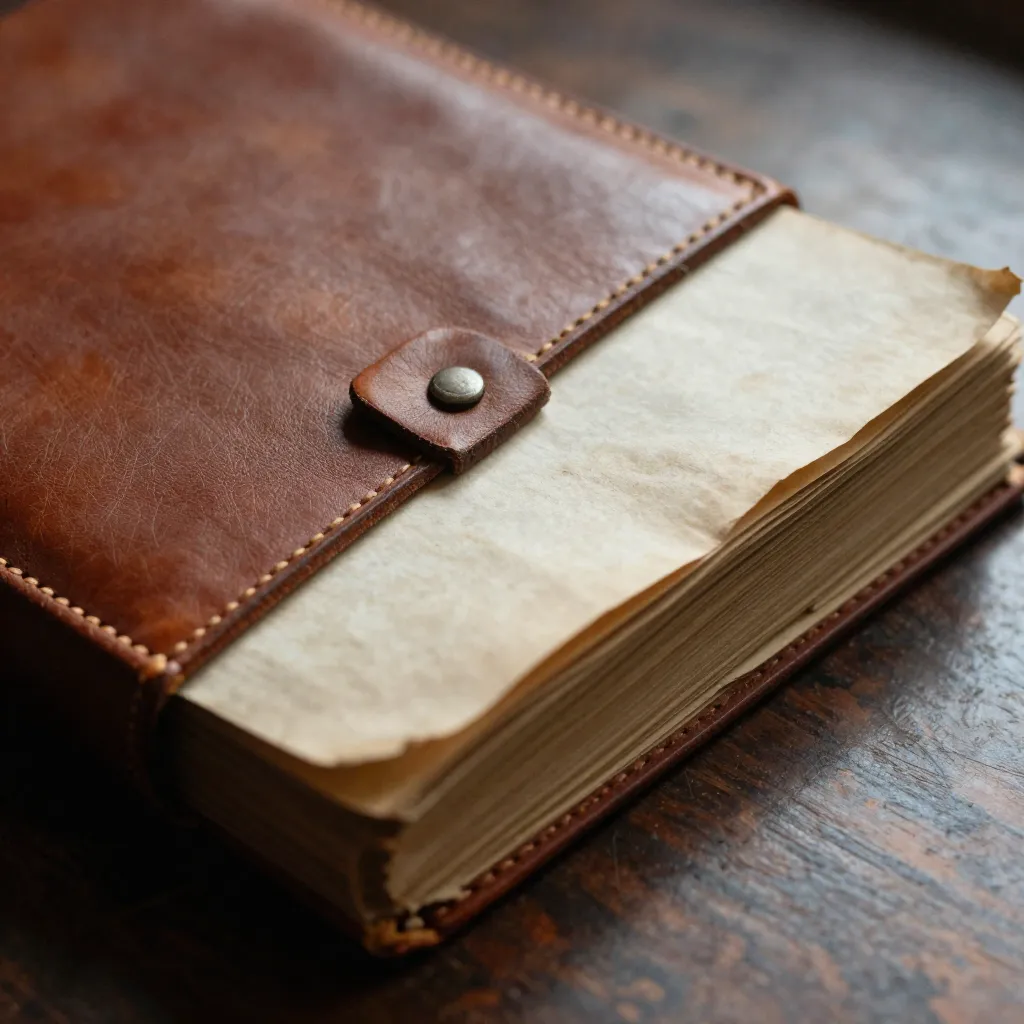
Legacy Data Recovery

Assessment Phase
Each damaged vessel undergoes thorough evaluation to determine the extent of deterioration and identify the most appropriate restoration approach. This assessment guides all subsequent work.

Restoration Process
Damaged components are carefully repaired or replaced using archival-grade materials. The goal is to restore functionality while maintaining the vessel's character and historical integrity where appropriate.
Upgrade to Modern Standards
Restored vessels are upgraded to meet current archival standards, ensuring they can continue to function effectively for future use. This may include new protective chassis or improved binding methods.
Common Restoration Scenarios
Spine Damage
Broken or detached spines can be repaired or replaced, restoring the structural connection between cover and pages. This work ensures the volume can be used safely and effectively.
Cover Deterioration
Worn or damaged covers can be repaired or replaced with new protective chassis. The original aesthetic can be preserved or updated based on your preferences.
Page Reinforcement
Loose or damaged pages can be secured and reinforced, ensuring all content remains accessible and protected within the restored volume.
Restoration Philosophy
Our restoration approach balances preservation of original character with functional improvement. We aim to restore vessels to usable condition while respecting their history and aesthetic qualities.
Each restoration project is unique, requiring careful consideration of the vessel's condition, historical significance, and intended future use.
Begin Restoration
Have a damaged volume that needs restoration? Contact us to discuss your project and receive an assessment.